
Houston Floating Stairs: Custom Cantilever
Staircase Design in Houston, TX
Houston Floating Stairs — custom floating stair installation, laser-cut steel structures, and permit-ready engineering for homes and businesses throughout Houston, TX.
Send us your drawings — free estimate, back to you in a day or two.
Forward your design files and we'll put together a detailed written quote from there. Most estimates go out within a day or two. For projects that need an on-site review, a deposit is required.
(786) 756-8812Request a Consultation
We usually respond within 1 to 2 business days.
Precision-fabricated. Installed in a day.
Six structural beam configurations. One fabrication standard.
Every ARC system ships laser-cut from our fabrication shop with the same engineering backbone — the beam configuration changes the geometry, not the build quality.
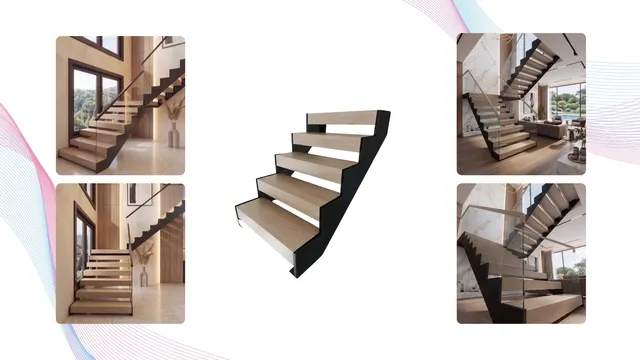
Single-spine beam runs center-line beneath treads. The foundation of every cantilevered system — clean, proven, and adaptable to any tread material.

L-section beam profile with concealed tread connections. Sharp edge geometry suits modern and transitional interiors where structure stays visible.
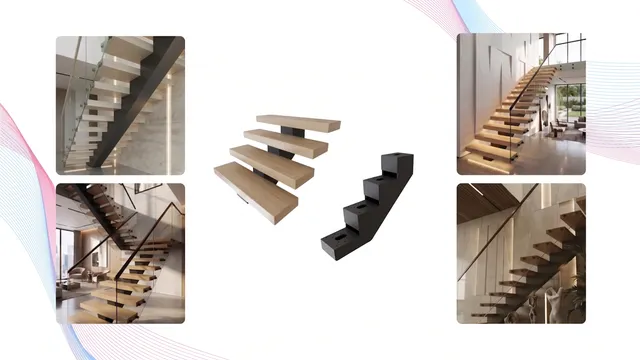
Slimmer beam cross-section, fewer connection points visible. For spaces where the tread dominates and the structure disappears.
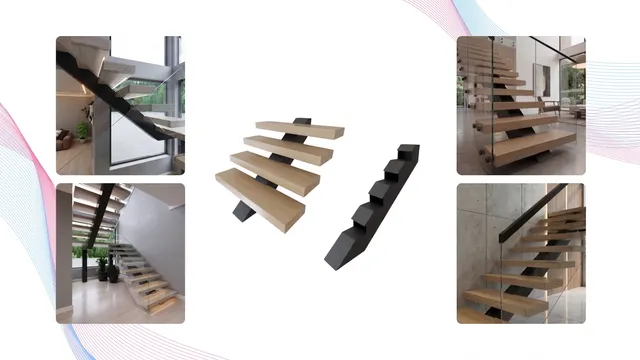
Flush-welded connections throughout. No exposed fasteners, no visible bolt heads from any angle — the cleanest finish we produce.
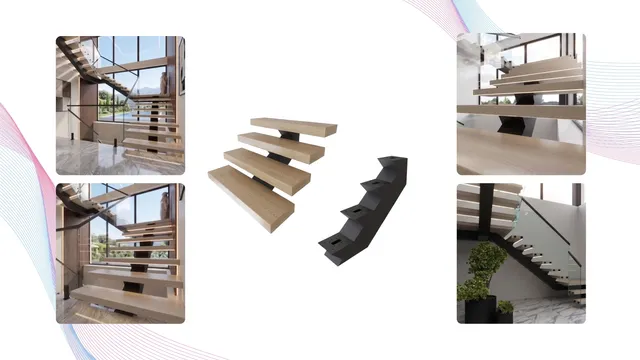
Vertical spine configuration for taller floor-to-floor runs. Maximum structural depth where ceiling clearance allows a bold statement.
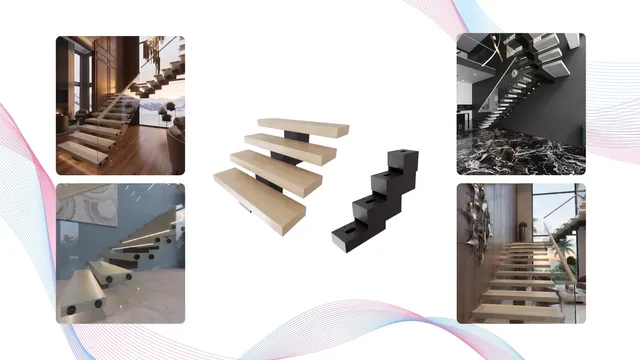
Alternating angular geometry — each tread offset from the last. The most architecturally disruptive configuration we build.
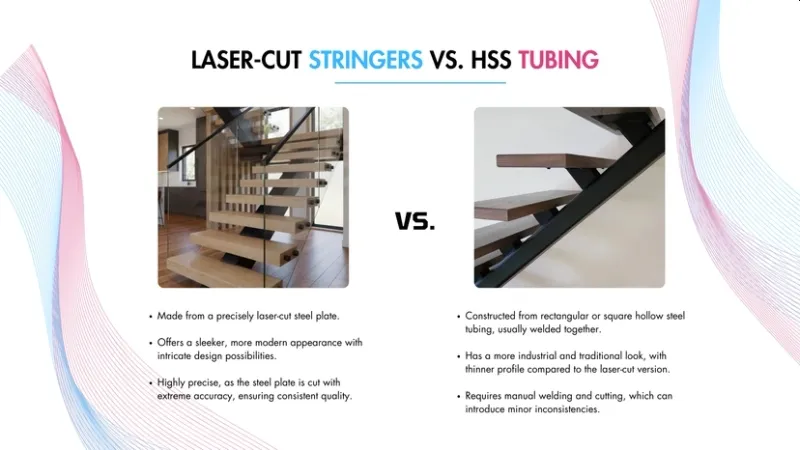
Laser-cut steel. Not HSS tubing cut with a grinder.
Most stair fabricators work with HSS tubing — hollow structural sections cut with a thermal torch or angle grinder on whatever surface is available. That process leaves burnt edges, grinding marks, and weld seams that require cleanup. It's standard in the industry because it's fast and cheap.
Our shop runs CNC laser cutting on all structural steel. Tolerances held to fractions of a millimeter. Clean factory edges with no surface heat damage. Every connection geometry is machined to spec before a single tread is mounted — nothing is hand-fitted on site.
Floating stair services built around your project goals
Custom Floating & Cantilever Stairs
Engineered floating and cantilever stair systems built for Houston homes — from Memorial-area remodels to Sugar Land new construction.
We design, engineer, fabricate, and install custom floating staircases from concept through permit closeout. Every system is built to Harris County code, your field measurements, and Houston's extreme heat and humidity.
Best for: New builds and full interior remodels that need a signature staircase.
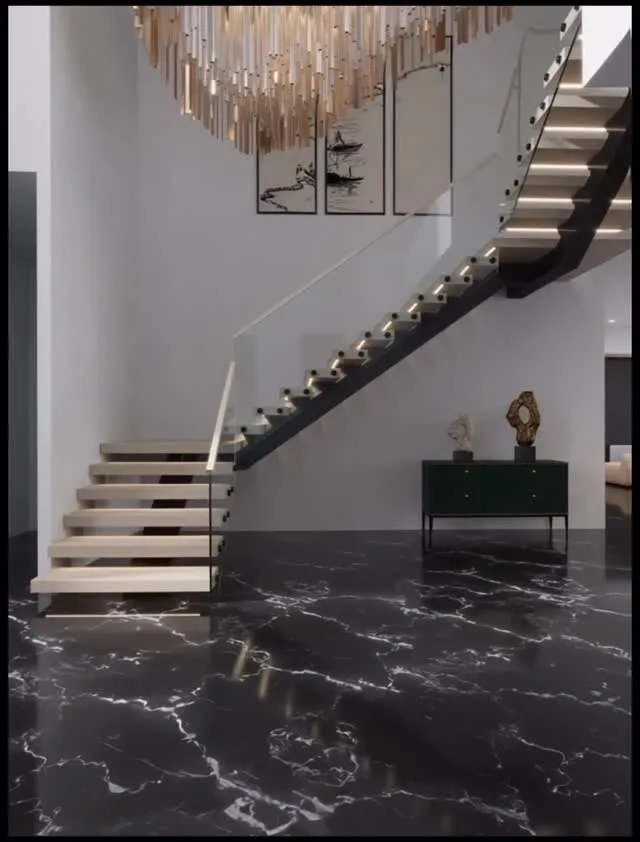
Glass Tread Cantilevered Systems
Tempered laminated glass treads for open, light-filled interiors. Code-rated and engineered for Houston residential and commercial use.
12mm tempered laminated glass treads bring light into two-story and split-level spaces without the visual weight of wood or steel. Every panel is rated, tested, and anchored to your specific structural conditions.
Best for: Contemporary interiors that need maximum light flow and open sightlines.
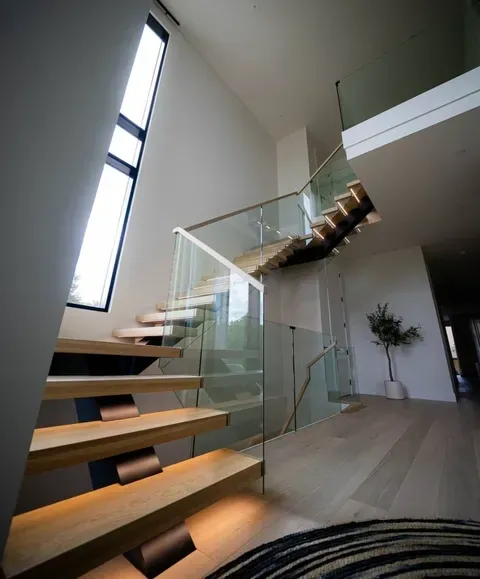
Wood Tread Selection
Walnut, white oak, ash, and hickory tread options acclimated to Houston's humidity — species selection, finishing, and structural thickness for your laser-cut steel floating stair system.
The structure is laser-cut steel. What you choose is the wood. We carry walnut, white oak, ash, and hickory and acclimate every tread to your home's actual indoor conditions before installation.
Best for: Warm residential interiors where natural materials and finish quality matter most.
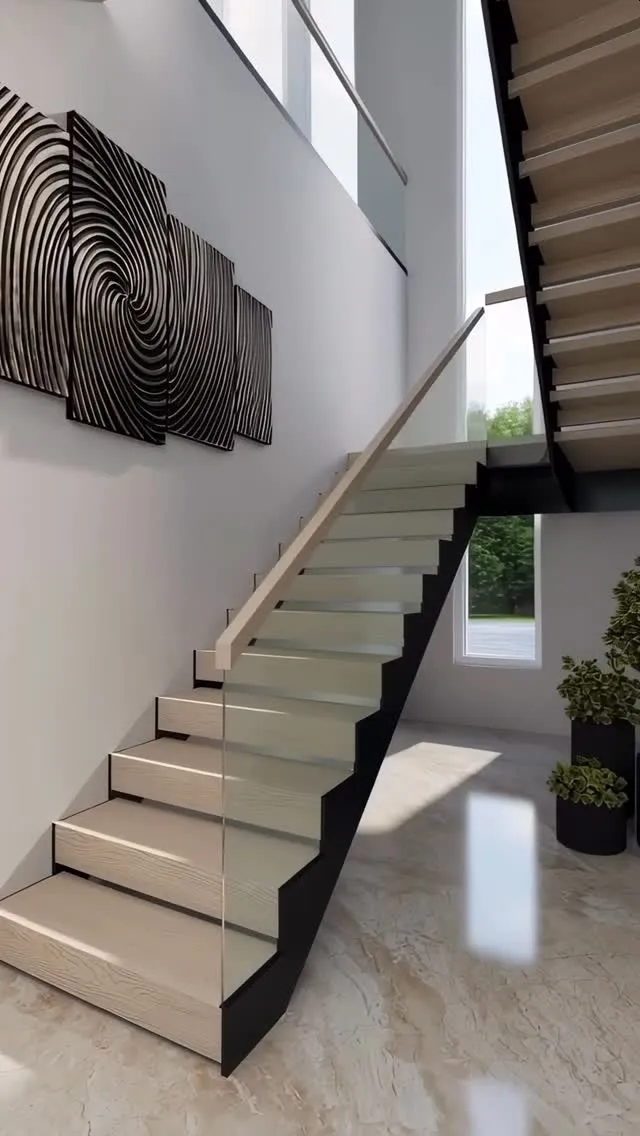
Laser-Cut Steel Structure
Every floating stair we build uses a laser-cut steel structure fabricated in our shop — no on-site welding, no apparent welds, delivered ready to install in Houston homes.
No grinding on site. No welding on site. No paint on site. Our steel structures are precision laser-cut to your field measurements and arrive with factory-applied powder coat finish. One-day installation, no disruption.
Best for: Lofts and commercial spaces that require high load capacity with a bold architectural look.
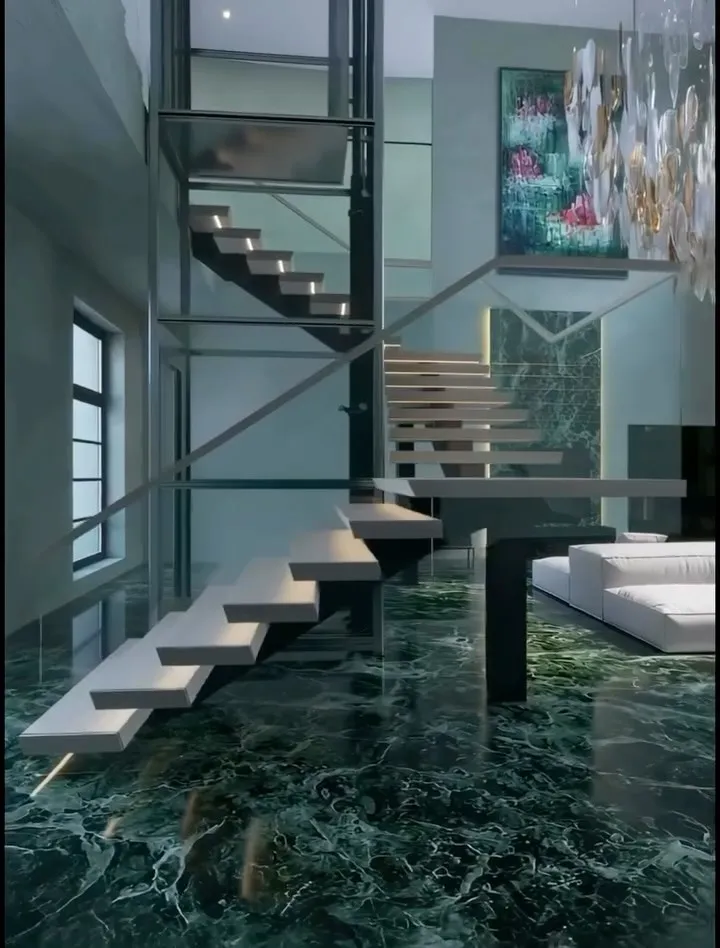
Integrated LED Lighting Systems
Low-voltage LED lighting routed through stringers or embedded in tread edges. Motion-activated and smart-home compatible.
Stair lighting done right is invisible until you need it. We route low-voltage LED strips through hollow stringers or cast them into tread edges so the light appears architectural, not afterthought.
Best for: Clients who want safer nighttime navigation and premium architectural ambiance.
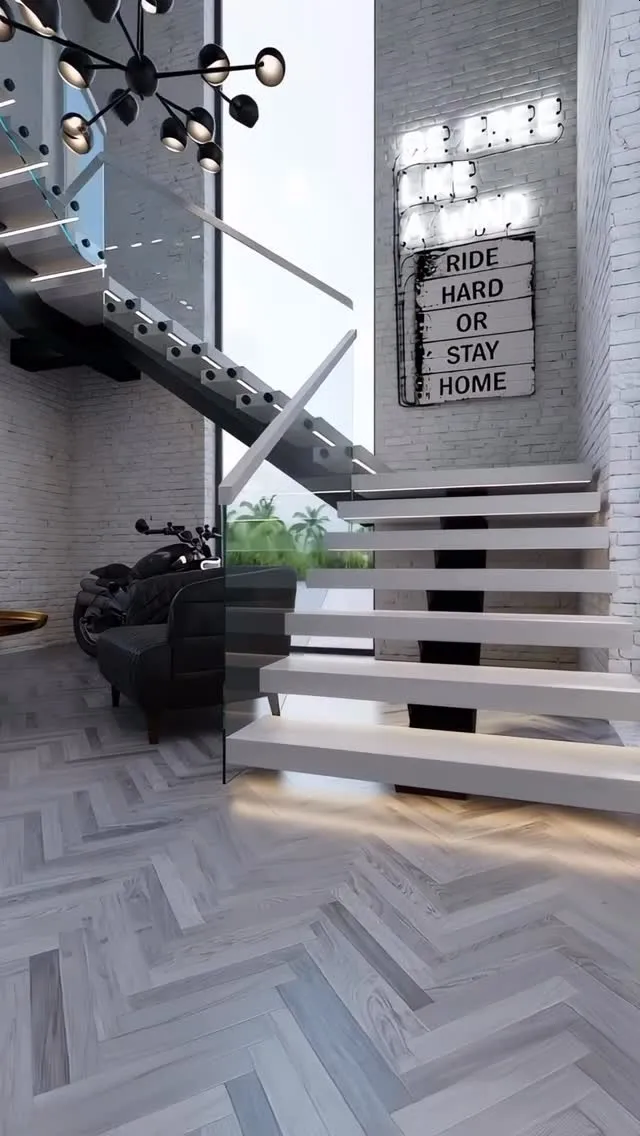
Custom Glass Balustrade Rail Systems
Frameless and semi-frameless glass balustrade systems that protect without blocking the view through your floating staircase.
Tempered glass panels mounted with point-fixed hardware or channel base keep the visual openness of your floating stair intact. Every panel is sized, cut, and installed to your specific geometry.
Best for: Open-concept homes that want code-compliant fall protection without visual bulk.
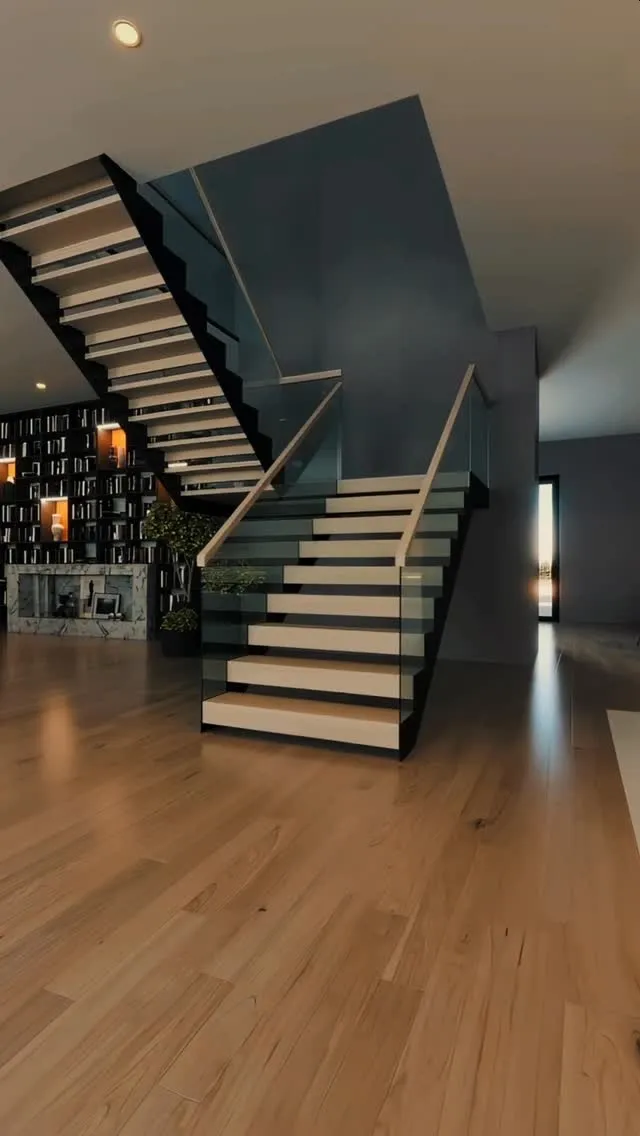
Why homeowners choose our floating stair contractors
Precision Manufacturing
Every component fabricated to exact field dimensions, no on-site adjustments.
No Grind Marks & Exposed Welds
Clean factory finishes throughout, nothing left rough or unfinished.
No Exposed Grooves
Flush surfaces and concealed connections for a seamless final look.
No Welding on Site
All structural welding completed in our controlled shop environment.
Powder Coating / No Paint on Site
Durable factory-applied finish, no wet paint or fumes in your home.
Structurally Sound
Engineered for code-rated load requirements with licensed structural documentation.
Quick & Hassle Free Installation
One-day installation with no welding, cutting, or heavy site work.
How our floating stair contractors deliver projects
Every staircase follows our engineering-first protocol — the same rigorous workflow whether the project costs $40,000 or $400,000.
Measurement
We gather your stair preferences and take precise dimensions of your home — floor heights, wall conditions, and access points — before any design begins.
Design
We review the plans you provide — design drawings, architect specs, or CAD files — and build a detailed estimate from those. Once confirmed, we schedule a field visit to verify dimensions before fabrication begins.
Client Review
We walk through the renderings with you and confirm all final details, materials, and specifications. No fabrication begins without your sign-off.
Manufacturing
Stairs are precision-manufactured in our controlled shop environment 6–8 weeks upon receipt of approved final drawings. All welding completed off-site.
Delivery
Completed stair components are delivered directly to your home or construction site, ready for installation.
Installation
Simple one-day installation with no welding on site. Our team anchors, aligns, and completes the stair system with minimal disruption to your home.
Materials our floating stair contractors specify for Greater Houston
What property owners in Houston say.
"The 3D walkthrough locked in our design before fabrication started. The walnut staircase in our River Oaks home is the first thing every visitor notices. Worth every penny."
"I was paranoid about structural integrity. These engineers explained every load calculation. Knowing my staircase is built for strict local building code requirements is worth every dollar."
"The on-time guarantee was real. They finished ahead of schedule and we got money back. Twenty years of renovation work in Houston — that has never once happened before."
Service area for our floating stair contractors
Houston Floating Stairs serves residential and commercial projects from Houston, TX. Our core territory includes nearby Greater Houston communities where modern staircase renovation and new construction demand code-compliant engineered systems.
Send us your drawings — free estimate, back to you in a day or two.
Forward your design files and we'll put together a detailed written quote from there. Most estimates go out within a day or two. For projects that need an on-site review, a deposit is required.
Frequently asked questions for floating stair contractors
Do floating & cantilever stairs projects in Houston require permits?
Most projects involving structural stair replacement or new cantilever systems require permit review. We handle engineering documentation and support the approval process before installation begins.
How long does a typical project take from assessment to completion?
Project timelines vary based on structure, design complexity, and permit turnaround. We provide phase-based schedules so assessment, engineering, fabrication, and installation stay clear.
Can floating stairs be installed in existing homes?
Yes. Existing homes are commonly upgraded with floating systems after structural review and targeted reinforcement where required.
What materials do you recommend for long-term durability?
We typically recommend structural steel assemblies, protected finishes, and tread/railing materials selected for local humidity and daily traffic conditions.
Do you work on residential and commercial projects?
Yes. Houston Floating Stairs serves both residential and commercial clients throughout Houston, TX and nearby service areas.
Are you searching for 'Floating Stairs near me'?
If you've been searching for floating stairs near me in Houston, TX, you've found the right team. Houston Floating Stairs is a locally based floating stair contractor serving Houston and the surrounding Greater Houston area. Call us at (786) 756-8812 or request a quote — we respond fast.
Talk with a floating stair contractor in Houston
Licensed · Bonded · Insured · Permit-Ready Documentation
Mon-Fri 8am-6pm, Sat 9am-2pm