
Cost Comparison of Floating Stairs vs. Traditional Stairs
Floating stairs cost more than standard boxed-in stairs. That part is obvious. What's less obvious is why the gap exists, where the money actually goes, and when a conventional stair can get closer in price than people expect.
Published: April 3, 2026
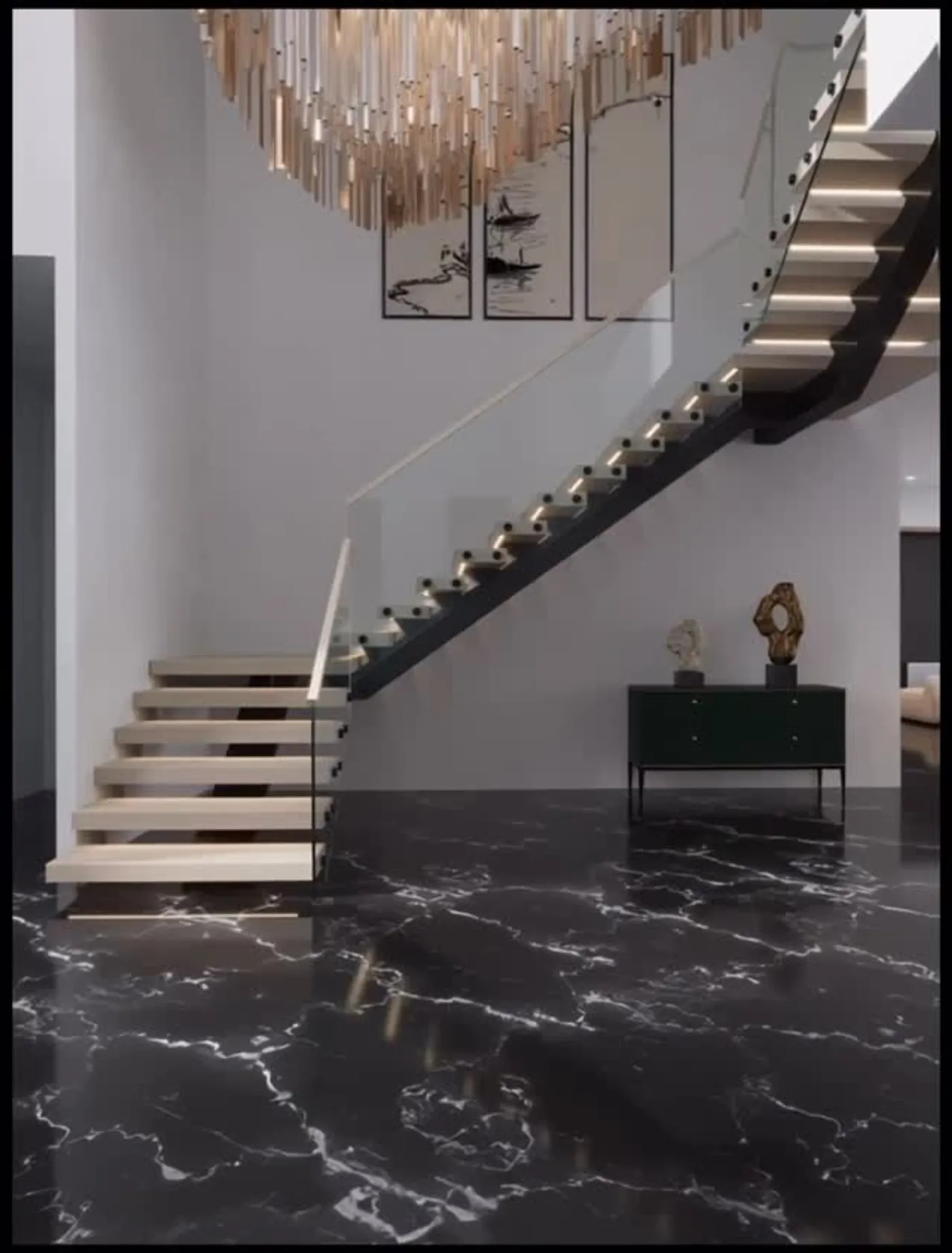
At Houston Floating Stairs , we usually tell clients to stop comparing floating stairs to the cheapest builder-grade stair in town. That comparison is useless. A better comparison is between a fully finished traditional stair with good materials and a floating stair built to the same visual standard.
Traditional stairs cost less because the structure is simpler
A conventional stair hides a lot. Stringers are usually standard. Framing is straightforward. Drywall wraps the structure. Finish work can cover small imperfections. That makes both engineering and labor simpler.
Floating stairs don't get that luxury. Their structure is visible or intentionally concealed in a more demanding way. That means tighter tolerances, more fabrication, and a cleaner installation standard.
Where floating stair budgets usually rise
- Structural engineering and connection detailing
- Wall reinforcement or hidden steel support
- Custom metal fabrication instead of stock framing
- Higher finish standards on treads, rails, and trim transitions
- Field verification and more careful install sequencing
None of that is fluff. It's what keeps the stair from vibrating, racking, or looking crooked once it lands in the house.
Railings can swing the budget more than people expect
Want the honest surprise line item? Railings. A simple painted traditional baluster system costs far less than frameless glass, slim steel posts, or custom channel-mounted guards. On many floating stair jobs, the guard package is one of the biggest cost drivers.
That matters because people often price the stair and forget the guard is part of the same visual statement. A floating stair with a cheap rail system usually looks unfinished. A premium guard system can push the total up fast.
The gap narrows when traditional stairs get upgraded
Here's where the conversation gets more interesting. If you take a conventional stair and add thick hardwood treads, custom newels, clean drywall returns, upgraded handrails, and better finish carpentry, the number moves closer to floating stair territory.
Floating stairs still cost more in most cases. But the difference is not always two or three times more. On higher-end jobs, it can be the difference between one premium stair solution and another premium stair solution, not between luxury and basic.
What are you paying for besides appearance?
You're paying for visual openness, yes. You're also paying for a stair that can change how the entry, living room, and upper landing feel. Traditional stairs consume more visual mass. Floating stairs often give that floor area back to the room.
That has design value. It can also have resale value in the right market. Not because buyers run spreadsheets on stair geometry, but because the house feels sharper the moment they walk in.
A better question to ask
Instead of asking, "Which one is cheaper?" ask, "Which stair fits the standard of the rest of the house?" In a basic spec build, a floating stair can be overkill. In a modern custom home with large openings and premium finishes, a standard stair can look like the one compromise everyone notices.
That's usually the real decision. Budget matters, but context matters too. The right stair should make sense with the architecture, not just the line-item spreadsheet.
Want a realistic stair budget before you choose a direction?
We can break down where the money goes, what changes the number, and which design moves are actually worth paying for.