
Glass Balustrades for Floating Stairs: Safety Features That Matter
Glass railings can make a floating stair look cleaner and more open. They can also be a bad idea if the panel spec, edge finish, or guard attachment is handled casually.
Published: April 4, 2026
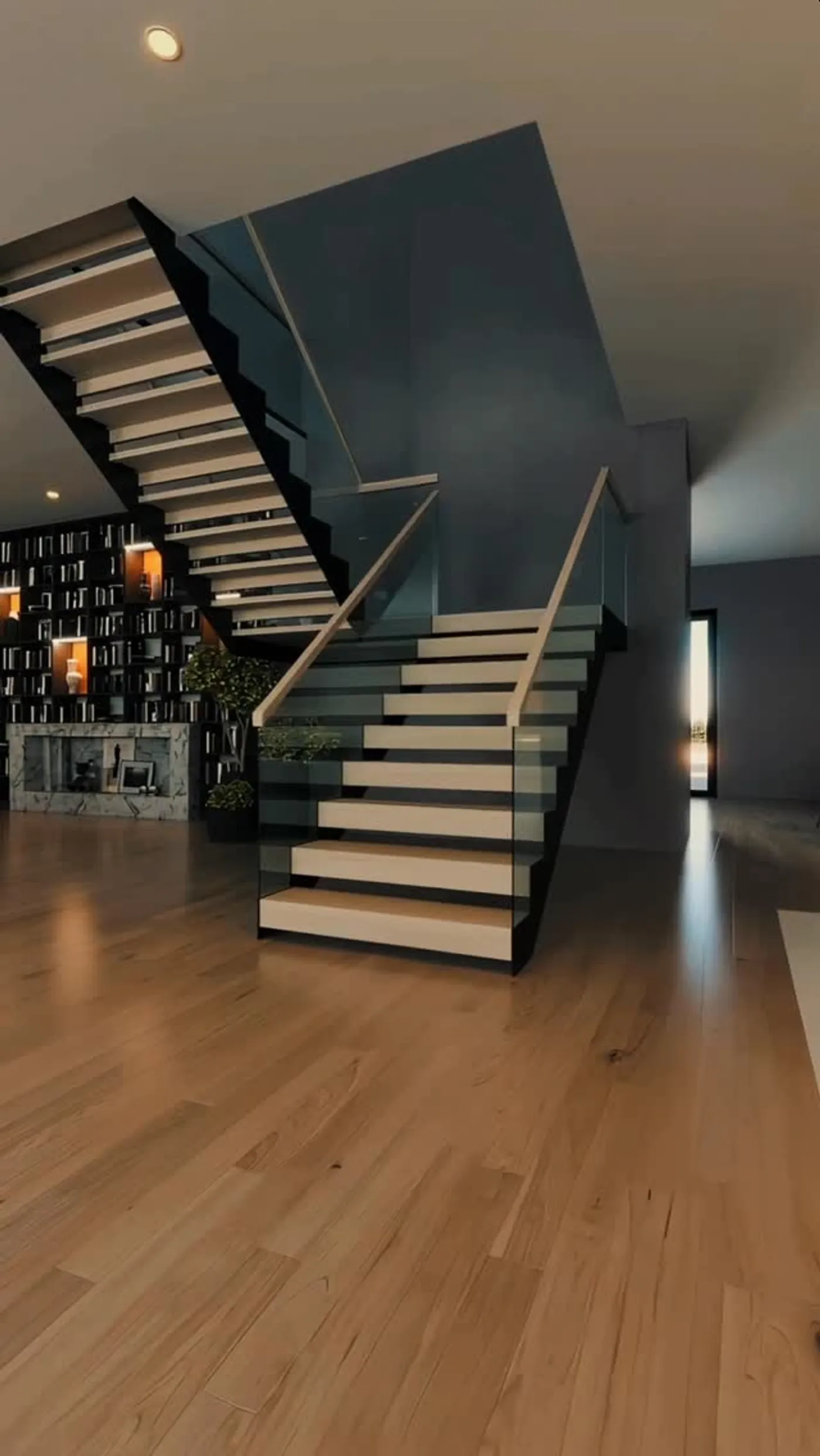
At Houston Floating Stairs , we like glass balustrades when they are specified like a structural system, not an accessory. Homeowners usually focus on transparency and aesthetics first. Fair enough. But the real conversation starts with how the glass is built, held, and protected in daily use.
Laminated glass is the baseline, not the upgrade
A guard panel should not rely on a single lite of glass. Laminated assemblies are safer because the interlayer helps hold the panel together if one lite is damaged. That matters on a stair where the guard is doing real fall-protection work.
If someone is quoting glass railings with weak panel specs or vague language around the makeup, slow down. The panel stack matters as much as the steel hidden below it.
Edge finish is not just a visual detail
Polished edges look better. They also reduce the chance of small chips and weak points forming during handling. Stair guards get touched, cleaned, bumped, and leaned on. A clean finished edge holds up better over time than a rough one.
This is a good example of why cheap glass packages often age poorly. The first year can look fine. Then the edges start telling the truth.
The attachment method changes the safety profile
Point-fixed systems, shoe channels, and side-mounted standoffs all behave differently. Some prioritize minimal sightlines. Others provide more continuous support. The right choice depends on the stair geometry, the supporting structure, and how much movement the assembly can tolerate.
Want the short version? The cleaner the visual goal, the more careful the engineering needs to be. That doesn't make glass unsafe. It means the design margin for sloppy work gets smaller.
Hand contact and grip still matter
A lot of people assume a full glass guard means no top rail or graspable handrail is needed. That's not always the case. Stair safety depends on how the guard and handrail work together, especially on longer runs or in homes with kids and older adults.
If you want the all-glass look, talk through how the hand-contact requirement is being solved. Sometimes the cleanest answer is a slim metal cap. Sometimes it's a separate wall-mounted rail. The point is to solve the safety issue without pretending it doesn't exist.
Maintenance is part of safety too
Dirty glass doesn't become structurally unsafe, but maintenance does reveal whether the system was detailed intelligently. Poor hardware placement collects grime. Bad seal decisions lead to staining around channels. Sloppy spacing can make routine cleaning harder than it should be.
We tell clients to think about long-term use. Can you clean the inside faces easily? Are the fasteners accessible if something needs service? Can the glass be replaced without dismantling half the stair? Those are real safety and ownership questions.
What should you ask before approving a glass rail package?
- What is the exact glass makeup?
- How is the panel supported and what backs it up structurally?
- How are edge quality and chip resistance being handled?
- Where does graspable hand contact happen on the stair?
- How will the system be serviced or cleaned later?
Those questions keep the conversation where it belongs. Not on the rendering. On the built result.
Thinking about glass railings on a floating stair?
We can review the panel approach, attachment method, and guard detailing before you commit to a package that only looks good in renderings.